International travel has evolved rapidly — and so has the way we stay connected. Today, mobile data isn’t just a convenience; it’s essential for navigation, bookings, communication, and work.
For years, physical SIM cards were the default solution. But now, eSIM technology is transforming global connectivity with greater flexibility, convenience, and cost savings.
If you’re a traveller, digital nomad, or business professional, understanding the difference between eSIM vs physical SIM can help you make a smarter choice.
👉 Explore global connectivity:
➡️ https://gleesim.com/
A physical SIM (Subscriber Identity Module) is a removable chip inserted into your phone that:
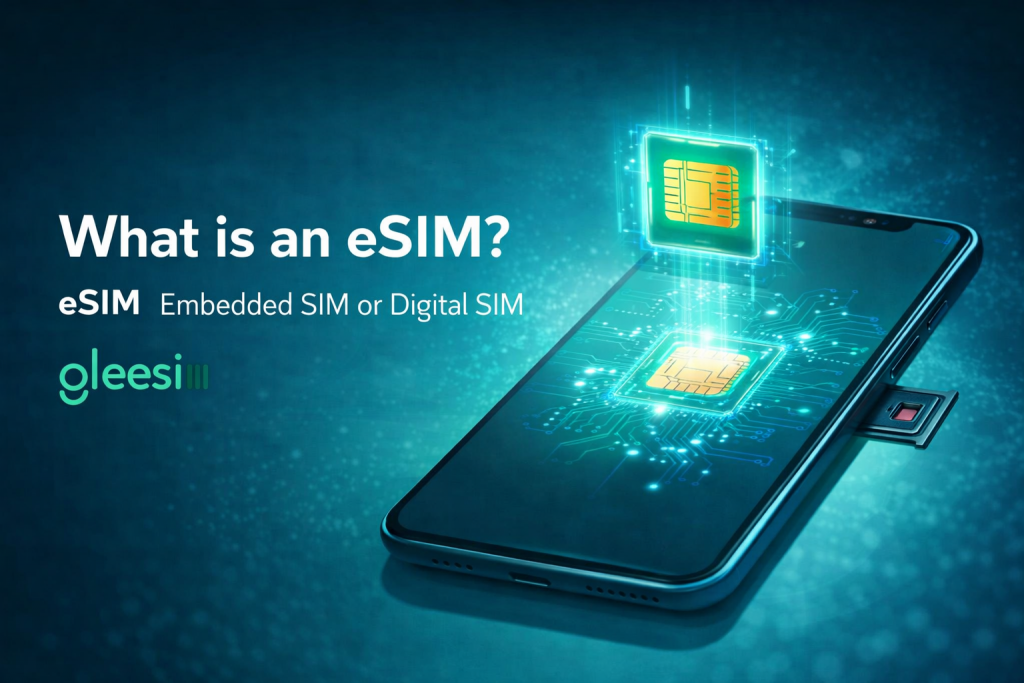
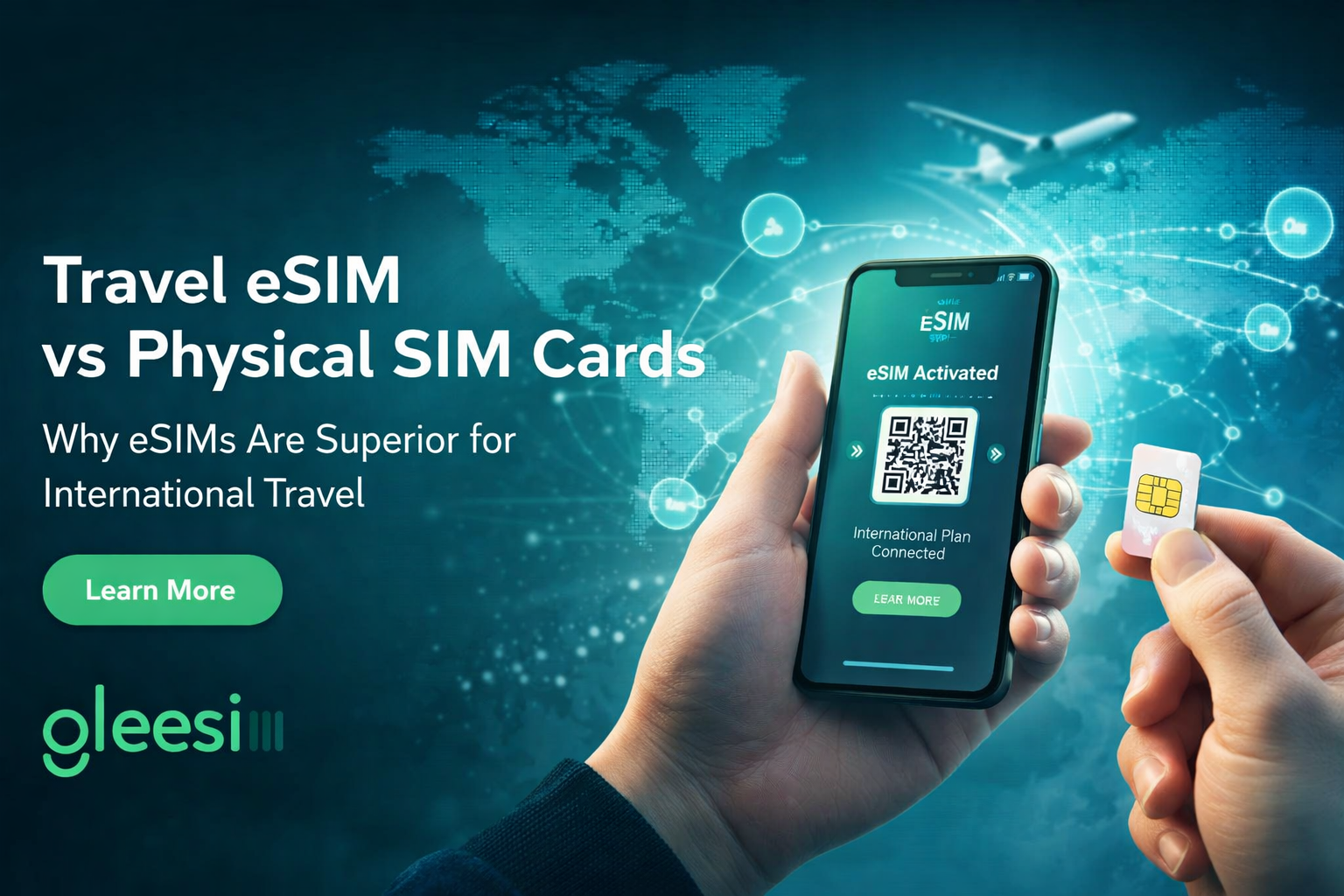
An eSIM (embedded SIM) is a digital SIM built into your device, eliminating the need for a physical card.
✔ Instant activation via QR code or app
✔ Multiple network profiles on one device
✔ No SIM card insertion or removal
✔ Remote provisioning over the internet
👉 Try a global eSIM solution:
➡️ https://gleesim.com/
| Feature | Physical SIM | eSIM (Digital SIM) |
| Physical Slot Required | Yes | No |
| Installation Time | Minutes to hours | Seconds |
| Profile Switching | Limited | Easy |
| Multiple Numbers | Usually No | Yes |
| Roaming Costs | Often High | Lower / Avoided |
| Risk of Loss | Yes | None |
| Activation | Store / Delivery | Online |
👉 Result: eSIM clearly offers more flexibility and convenience.
With physical SIMs, you often need to:
With eSIM:
✔ Scan QR code
✔ Install in minutes
✔ Activate instantly upon arrival
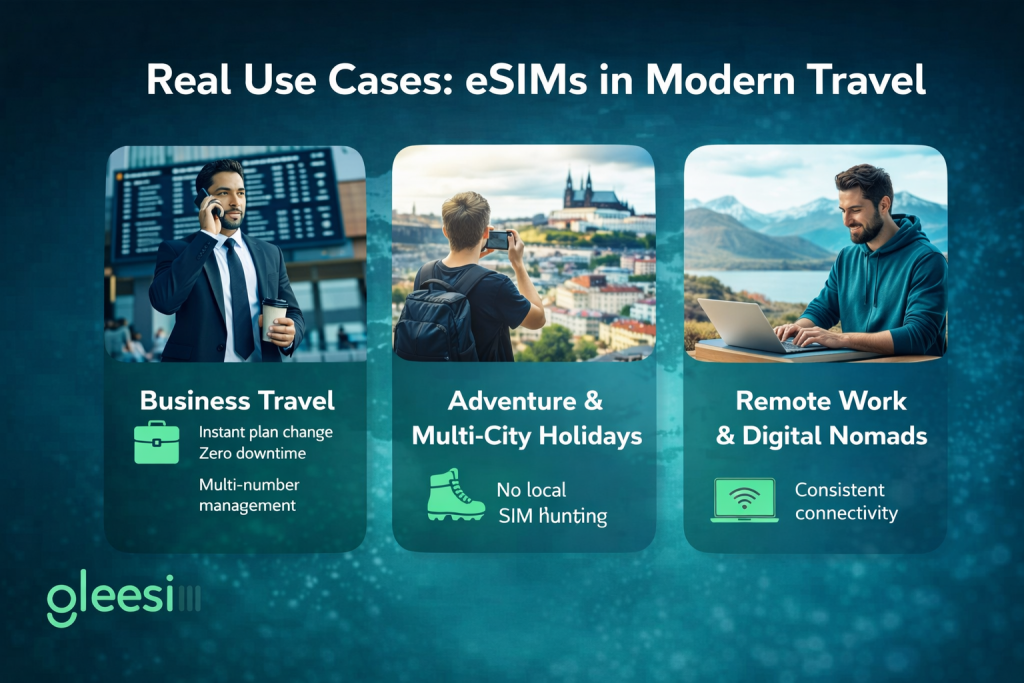
Travelling across regions like Europe or Asia?
eSIM allows you to:
✔ Store multiple profiles
✔ Switch networks instantly
✔ Avoid swapping SIM cards
Perfect for frequent travellers and global trips.
Physical SIM issues:
❌ High roaming fees
❌ Hidden charges
❌ Expensive tourist pricing
eSIM benefits:
✔ Local-rate data
✔ Competitive global pricing
✔ No roaming surprises
👉 Compare plans here:
➡️ https://gleesim.com/
Physical SIM risks:
eSIM advantage:
✔ Fully digital
✔ No physical handling
✔ Secure and reliable
Modern devices now support eSIM, including:
eSIM offers:
✔ Better integration
✔ Cloud-based management
✔ Easy carrier switching
📌 Physical SIM is gradually becoming outdated in premium devices.
✔ Enhanced security
✔ Remote activation
✔ Multiple network fallback
✔ Better device lifecycle support
eSIM is not just for travel — it’s becoming the standard for global connectivity.
Before buying an eSIM, consider:
👉 Find the right plan:
➡️ https://gleesim.com/
Not all devices support eSIM, but most modern smartphones (iPhone, Samsung, Google Pixel) do.
Yes. eSIM uses the same network infrastructure — only the activation method is different.
Yes. Most devices allow multiple profiles, though usually one active for data at a time.
No. In many cases, they are cheaper than roaming and competitive with local SIMs.
eSIM profiles can be remotely deactivated, offering better security than physical SIMs.
Yes. Initial installation requires Wi-Fi or an existing data connection.
International travel no longer requires juggling multiple SIM cards or paying expensive roaming fees.
With eSIM technology, you get:
✔ Instant activation
✔ Better cost control
✔ Multi-country flexibility
✔ No physical SIM hassle
For modern travellers, eSIM is the smarter, faster, and future-ready solution.
👉 Stay connected worldwide with GleeSIM:
➡️ https://gleesim.com/
https://gleesim.co.uk/blogs/news/top-hajj-travel-essential-the-ultimate-saudi-esim-for-pilgrims